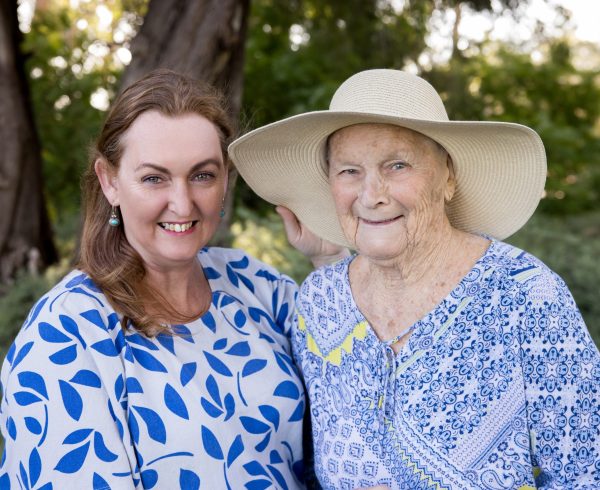

The role of unpaid family carers is crucial in our society, yet it often remains underappreciated and overlooked. Despite the essential role they play, unpaid family carers often face significant challenges. These include social isolation, emotional stress, physical exhaustion, and financial strain. Their caring duties often leave them little time for personal activities or social interaction, leading to feelings of loneliness and isolation.
Social networks and peer support act as a lifeline for many unpaid family carers. They provide a platform for carers to share experiences, learn from each other, and feel less isolated in their journey. The benefits of these support systems are manifold and have been confirmed by various studies.
1. Emotional Support and Wellbeing
The emotional strain of caring can take a significant toll on carers. Carers often experience higher levels of stress, depression, and anxiety compared to noncarers. Peer support groups provide an avenue for carers to express their feelings openly and receive emotional support from others who understand their circumstance. This sense of shared understanding and empathy can significantly enhance carers’ emotional wellbeing.
2. Knowledge Sharing and Skill Enhancement
Social networks facilitate the sharing of practical caring strategies, resources, and knowledge. Carers can learn from the experiences of others, making them more equipped to handle their own caring responsibilities. According to a study by Reinhard et al. (2017), carers who are part of social networks often feel more confident and competent in their role.
3. Resilience and Coping
Carers who engage in peer support show increased resilience and coping skills, as found by a study by Shilling et al. (2013). Social connections can help carers navigate the emotional highs and lows, enhancing their resilience and ability to cope with stress.
4. Online Social Support
In the digital age, online social networking sites have also been found to help reduce levels of depression and anxiety (Nasi et al., 2015). This suggests that even virtual connections with those who share similar experiences can provide emotional support and a sense of community, which can help individuals cope with their stress and anxiety.
In conclusion, social networks and peer support play a vital role in supporting the wellbeing of unpaid family carers. They offer emotional support, promote knowledge sharing, enhance resilience, and empower carers. Given the crucial role carers play in society, it’s important that we foster these support systems and acknowledge the significant contributions of unpaid family carers to our communities.
If you would like to learn more about the Carers WA Social Support program click here.
References: Bauer, J.M., & Sousa-Poza, A. (2015). Impacts of Informal Caregiving on Caregiver Employment, Health, and Family. Journal of Population Ageing, 8, 113- 145. Nasi, M., et al. (2015). The performance of mHealth in cancer supportive care: A research agenda. Journal of Medical role carers play in society